
Preparing for an Extended Trip
Whether you're heading away for a few days, a few weeks, or an extended holiday, taking a little time to prepare your apartment before you leave can prevent many of the most common problems that occur in unattended homes.
Water leaks, stale air, unpleasant odors, mold growth, and unnecessary energy consumption are all much easier to prevent than to fix later.
As a general rule, if you'll be away for more than a couple of nights, it's worth spending a few minutes preparing your apartment before you go.
🔌 Electricity - What to Unplug
One of the easiest ways to reduce risk is to unplug devices that don't need to remain powered.
Consider unplugging:
Small kitchen appliances like coffee machines, kettles, toasters
Desk lamps and bedside lamps
Computer monitors
Chargers and electronics that won't be used
Not only does this reduce unnecessary electricity consumption, but it also protects sensitive electronics from power surges.
Items such as refrigerators, freezers, internet equipment, or other systems that need to remain operational should generally be left plugged in.
🧊 Refrigerator Prep
Many people assume they should shut down their refrigerator before a long trip. In most cases, this is not recommended.
Instead:
Leave the refrigerator plugged in and running.
Set your refrigerator to a moderate setting rather than maximum cooling. This reduces unnecessary energy use while keeping the appliance operating safely.
Freezers should generally remain at their normal operating temperature.
Remove anything perishable, especially dairy, meat, fresh produce, and leftovers.
Make sure the doors are closed and sealed properly
This allows the appliance to operate efficiently without working harder than necessary.
AVOID ISSUES - Turning a refrigerator off completely can create problems:
Freezers defrost
Water accumulates
Mold and odors develop
Food spoilage becomes possible
Unless you're fully emptying, cleaning, drying, and leaving the doors open, it's generally better to leave the appliance running.
🚰 Water - Check All Around
Water is often the biggest risk in an unattended apartment.
Before leaving:
Check under sinks
Look for dripping faucets
Confirm toilets aren't running continuously
Make sure washing machines and dishwashers are not leaking
Verify shower doors and drains are functioning normally
If you know how to isolate local water supplies safely, turning off washing machine or dishwasher supply valves during extended absences can provide additional peace of mind.
If you notice any plumbing concern before your trip, it's always better to report it early.
🌬 Fresh Air, Ventilation & Humidity
Apartments need airflow—even when nobody is home. Fresh air makes a world of difference.
Especially during warmer months, trapped air and humidity can lead to:
Stale odors
Condensation
Mold growth
Poor indoor air quality
Before leaving:
Ensure bathrooms are dry
Leave interior doors open where appropriate
Allow air to circulate between rooms
Check that no damp towels, bath mats, or laundry are left behind
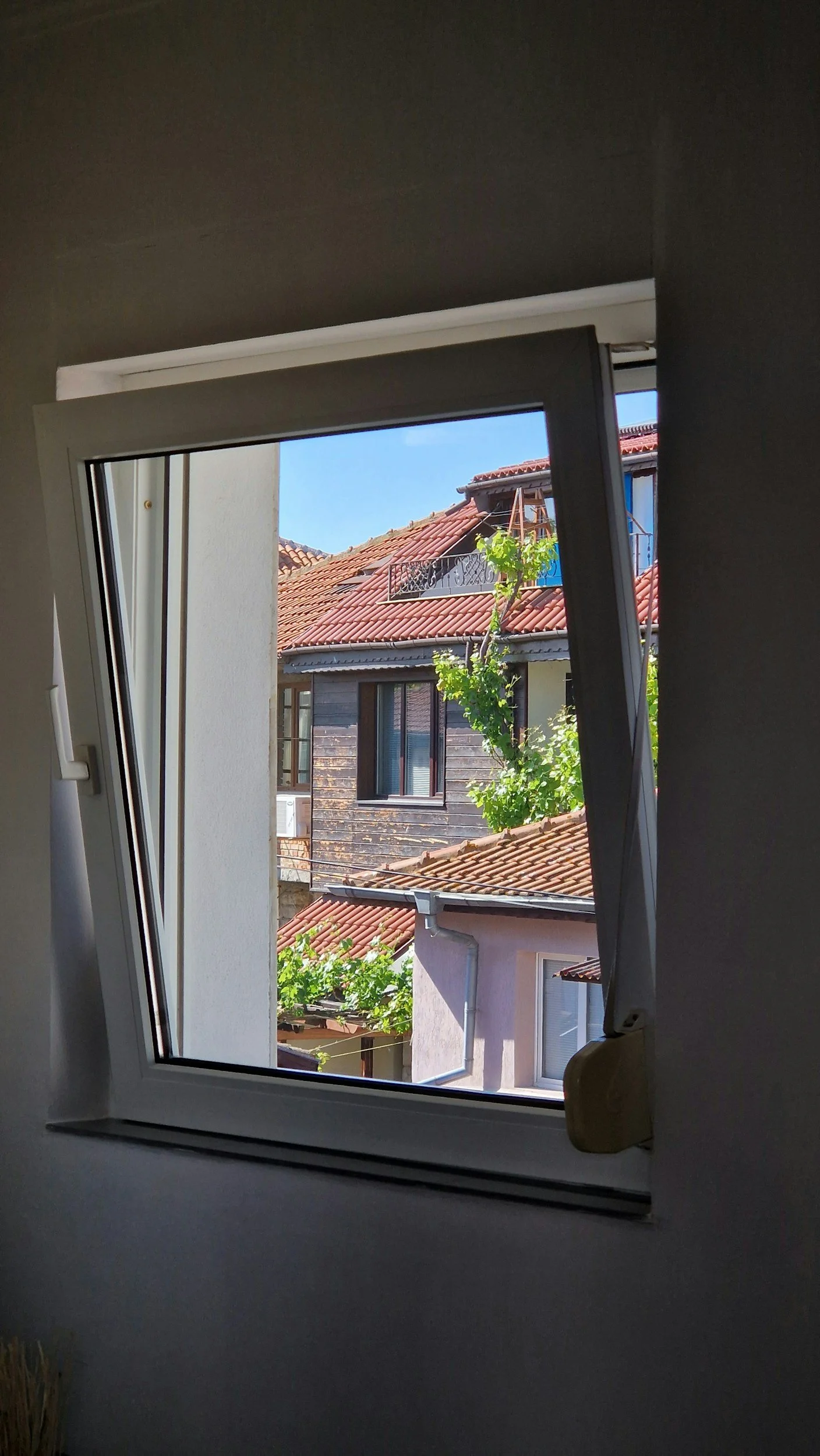
Depending on the apartment and weather conditions, a slightly tilted European-style window may help maintain gentle air exchange during longer absences (only if safe, not a weather risk, and suitable to your apartment).
🚿 Bathrooms - Pay Special Attention
Bathrooms are often the first place moisture issues develop.
Before leaving:
Dry shower surfaces
Empty standing water from containers
Check for signs of mold or mildew
Leave the room clean and dry
Consider leaving the toilet seat and lid open to improve airflow
Many people don't realize that closed toilet lids can trap moisture underneath. During long absences, especially in warm weather, condensation and humidity can sometimes accumulate on the underside of the seat and lid, creating an environment where mold may develop. Leaving the seat and lid raised allows air to circulate more freely and helps any moisture evaporate completely.
A dry, well-ventilated bathroom is much less likely to develop odors, mold, or moisture-related issues while you're away.
❄️ Cooling & Heating Systems
If you'll only be away for a few days, it's usually best to leave cooling or heating systems set to a moderate temperature—perhaps a few degrees warmer than your normal comfort setting—rather than maintaining your usual occupied settings.
For summer travel, the goal is simply to prevent excessive heat buildup while avoiding unnecessary energy consumption. Depending on your system, that may mean switching to fan-only mode, increasing the temperature a few degrees, activating an "Away" or "Vacation" mode, or turning the system off entirely.
For longer absences—such as several weeks or more—many systems can simply be switched off at the thermostat or placed into an "Away" or "Vacation" mode if available.
Some modern systems automatically maintain a minimum protective temperature while dramatically reducing energy use. If your apartment has this feature, it is often the most efficient option.
Apartments with underfloor cooling may take longer to respond than traditional air-conditioning systems, so there is generally little benefit in attempting to "pre-cool" the apartment before departure.
The most important thing is to avoid running cooling or heating systems at normal occupancy settings when nobody is home.
Tip: If you're unsure whether your system should be turned off, placed in Away Mode, or left running at a reduced setting, check the manufacturer's recommendations or ask us before you leave.
☀️ Sunlight & Heat
During summer months, direct sunlight can significantly increase indoor temperatures and may cause fading or damage to furniture, flooring, artwork, and other surfaces that receive prolonged sun exposure.
Before leaving:
Close curtains or blinds, particularly on windows that receive strong afternoon sun
Lower exterior shutters if available. In many cases, partially closing them allows you to reduce solar heat gain while still permitting some air circulation and natural light.
Move sensitive items out of direct sunlight
Avoid completely sealing the apartment if your ventilation strategy relies on a slightly tilted window or controlled airflow
These simple steps help maintain more stable indoor temperatures, protect finishes and furnishings, and reduce unnecessary strain on cooling systems.
🛋 Leave It Clean
One of the best gifts you can give your future self is returning to a clean apartment.
Before leaving:
Take out rubbish and recycling. This also reduces the chances of attracting unwanted bugs and pests.
Empty food waste and dispose of anything that may spoil while you're away.
Wash, dry, and put away dishes
Vacuum if possible to remove dust, crumbs, hair, and anything that might attract pests while you're away.
Dust will still settle while you're away, but a clean apartment will feel dramatically fresher when you return.
If there's something you'd particularly like to avoid finding dusty on your return—such as your bed—consider covering it with a clean flat sheet before you leave. When you get home, simply remove the sheet (carefully, without stirring the dust) and place it directly in the washing machine for a quick refresh.
🌿 Outdoor Spaces
Balconies, terraces, gardens, and patios can take quite a beating while you're away—especially during summer thunderstorms, heat waves, and periods of strong sun exposure.
Before leaving:
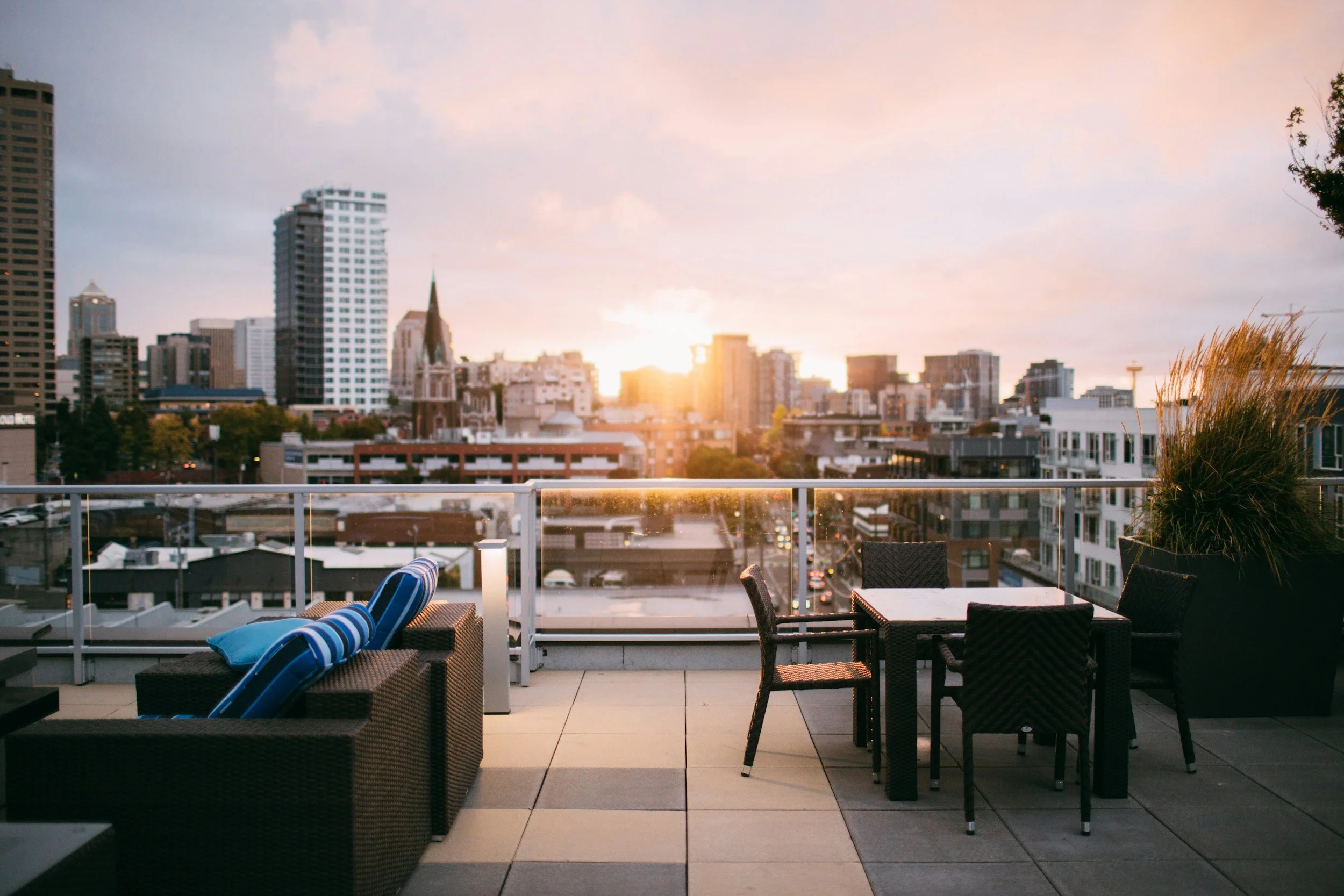
Bring outdoor cushions, pillows, and other soft furnishings indoors or store them in a weatherproof storage box.
Move furniture under awnings, covered areas, or into the most protected part of the terrace or balcony whenever possible. Use protective covers if available.
Secure lightweight items that could be blown around during storms.
Remove standing water from trays, pots, or containers to discourage mosquitoes and algae growth.
Check that outdoor drains are clear and free of leaves or debris.
Prolonged exposure to direct sunlight, wind, and rain can significantly shorten the life of outdoor furniture, fabrics, and finishes. A few minutes of preparation can prevent months of unnecessary wear.
🌱 Plants, Gardens & Lawns
If your apartment includes outdoor plants, planters, a garden, or a lawn, make arrangements for them before you leave.
Summer weather can be surprisingly harsh on outdoor spaces. Even a week or two of hot weather without watering can damage plants, while longer absences can result in significant loss of landscaping.
Before leaving:
Arrange for a friend, neighbor, or gardener to water regularly.
Confirm that any irrigation systems are functioning properly.
Move potted plants into partial shade if appropriate.
Remove dead leaves and plant material before departing.
Lawns are especially vulnerable during hot weather. While many plants can recover from a dry period, a neglected lawn can take considerable time and effort to restore.
A little planning before your trip helps ensure you return to a healthy, enjoyable outdoor space rather than an unexpected gardening project.
🔐 Security & Peace of Mind
Before heading out:
Lock all doors and any windows that are not intentionally left in a safe ventilation position.
Secure balconies and terrace access points
Confirm valuables are stored appropriately
Consider informing a trusted friend or neighbor if you'll be away for an extended period
If you're leaving for many weeks or months, occasional check-ins can provide additional peace of mind.
💡 Why This Matters
Most apartment issues don't happen because something dramatic occurs.
They happen because:
A small leak went unnoticed
A room stayed damp
Food was forgotten
Air couldn't circulate
A minor issue became a major one
Spending 15–20 minutes preparing your apartment before a trip can help ensure that you return to exactly what you want: a comfortable, clean, and problem-free home.
📋 Download the Vacation Checklist
Download our printable one-page checklist to make sure you don't forget any of the most important steps before leaving your apartment.
Safe travels!