
As autumn progresses and temperatures begin to drop, it's a good time to prepare balconies, terraces, and gardens for the colder months ahead.
Outdoor furniture, plants, water connections, and drainage systems all face additional challenges during winter. Rain, frost, wind, and freezing temperatures can cause unnecessary wear or damage if a few simple precautions are overlooked.
A little attention now can help protect your outdoor spaces, prevent avoidable maintenance issues, and make everything easier to enjoy again when spring arrives.
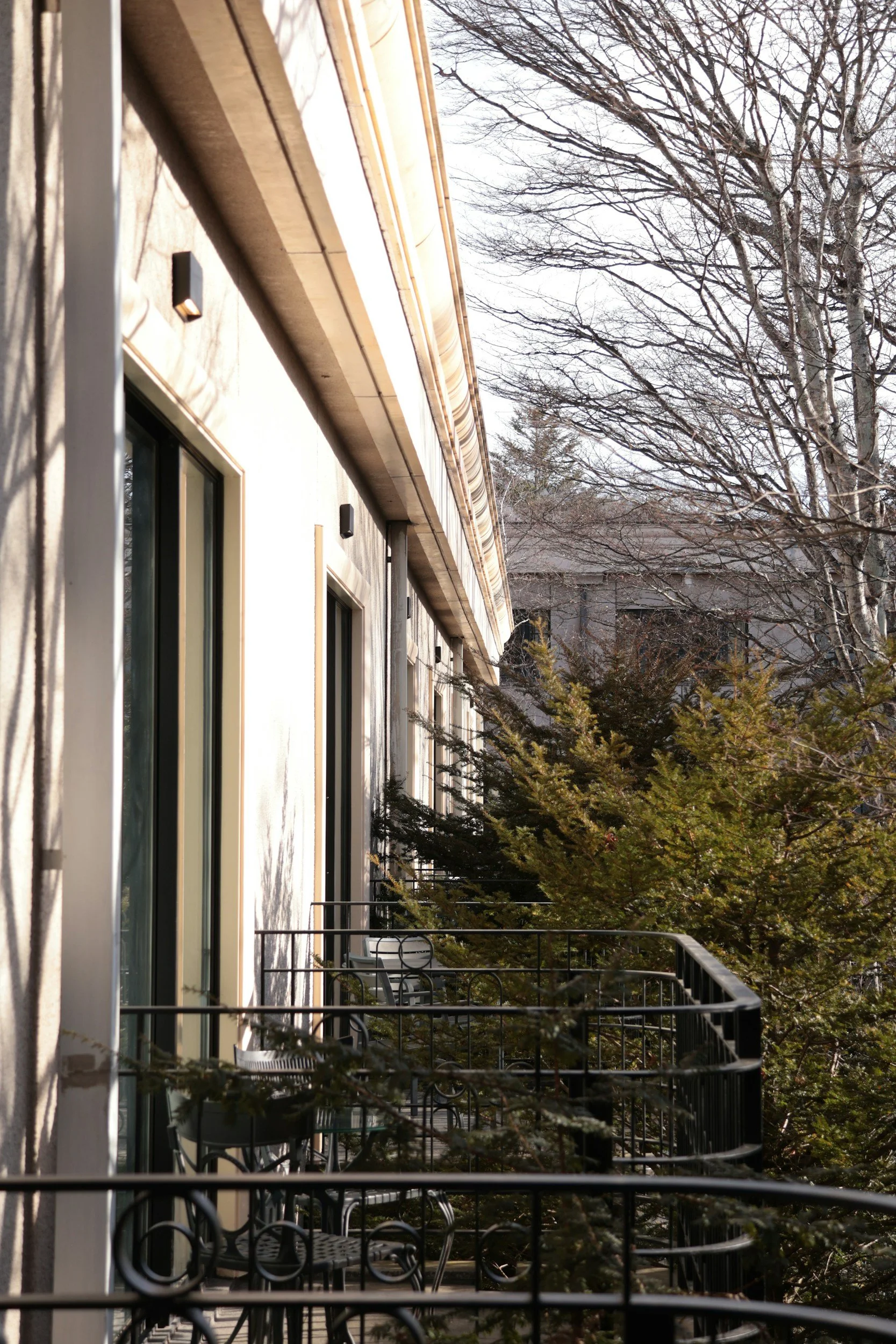
🌿 Winterizing Balconies, Terraces & Outdoor Furniture
Outdoor furniture and accessories can experience considerable wear during winter.
Rain, frost, wind, and repeated freezing and thawing can damage fabrics, wood, metal, and other materials.
October is an excellent time to protect these items before the harsher weather arrives.
Before storing outdoor furniture:
Wipe down tables, chairs, and other surfaces to remove dirt, pollen, and debris.
Allow furniture to dry completely before covering or storing it.
Stack chairs and other items carefully to prevent scratching or damage.
Move furniture into sheltered areas wherever possible.
Use breathable, properly secured protective covers when appropriate.
Secure lightweight items that could be blown around during autumn and winter storms.
Bring cushions, pillows, and other soft furnishings indoors or place them in clean, dry, weatherproof storage containers.
Even fabrics marketed as outdoor-friendly can develop mildew, discoloration, or premature wear when exposed to prolonged winter moisture.
A little care now can significantly extend the life of outdoor furnishings and ensure they're ready to enjoy again next spring.
🚰 Protect Outdoor Water Connections & Irrigation Systems
If your apartment includes a terrace, garden, or outdoor water connection, freezing temperatures can create additional risks.
Water expands as it freezes, potentially damaging exposed pipes, hoses, fittings, and irrigation equipment.
Before freezing weather arrives:
Disconnect garden hoses from outdoor taps.
Drain and store hoses.
Empty watering cans and other containers that may collect water.
Check irrigation systems and arrange seasonal shutdown or winterization where required.
Follow any building-specific instructions for outdoor water supplies.
Not all outdoor taps are designed the same way. Some are frost-resistant, while others require their water supply to be isolated and drained before winter.
If you're unsure how your outdoor plumbing is configured, don't attempt to dismantle or modify the system yourself.
🪴 Protect Potted Plants & Planters from Frost
Not all plants tolerate freezing temperatures equally well. While some are perfectly happy outdoors throughout winter, others may need a little extra protection.
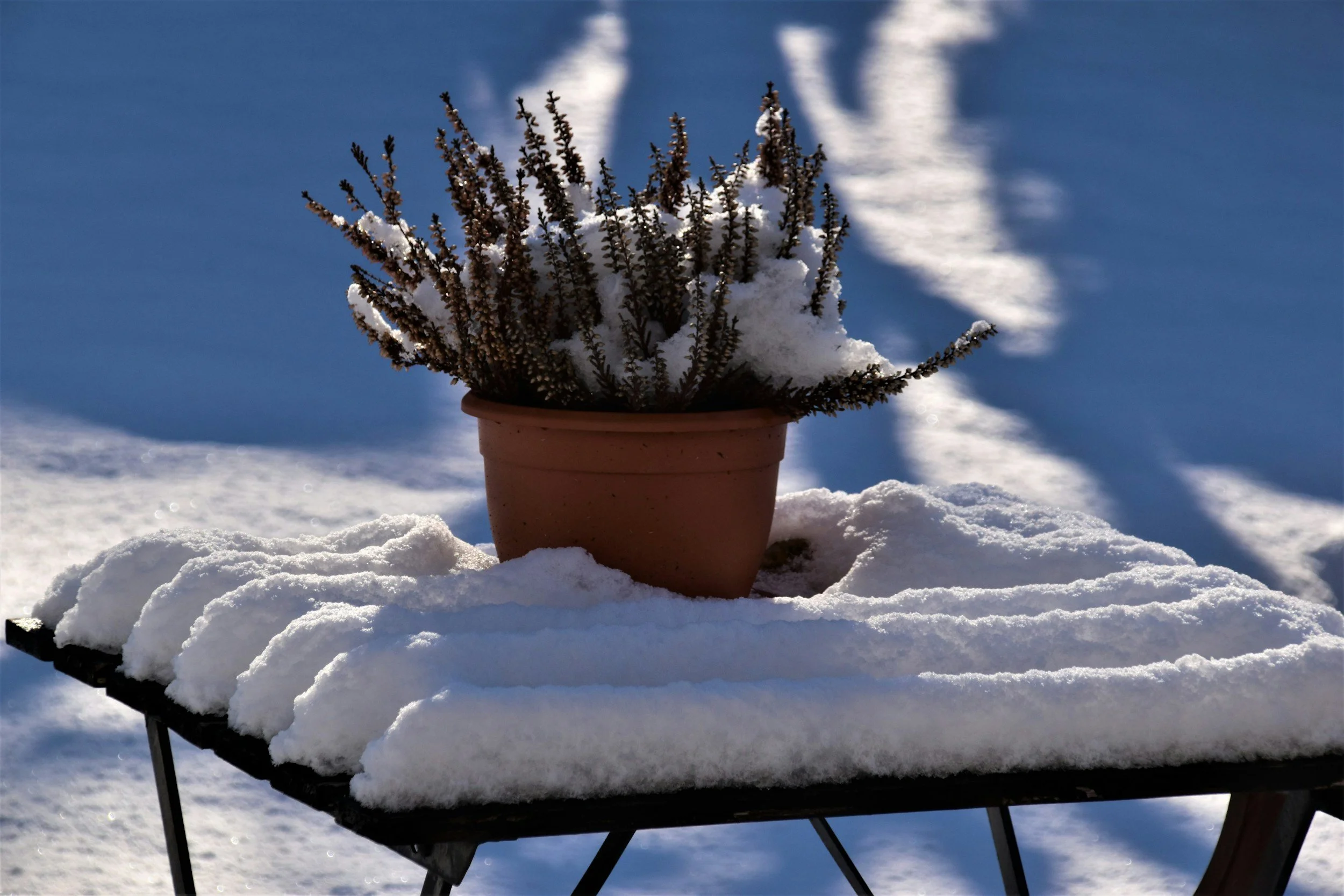
Before the first frost:
Move frost-sensitive plants to a sheltered location or indoors, depending on their needs.
Raise pots slightly off cold surfaces where practical, ensuring they remain stable and drainage isn't obstructed.
Check that planters have adequate drainage so water doesn't collect and freeze.
Reduce watering as temperatures fall, but remember that evergreen plants may still need occasional water during dry winter periods.
Remove dead leaves and plant material to help prevent rot and keep drains clear.
Consider wrapping vulnerable pots with insulating material to protect roots from prolonged freezing temperatures.
Remember that terracotta and ceramic pots can crack when water trapped inside freezes and expands, particularly if the pots are already damaged or poorly drained.
Taking a little time to protect plants and planters now can help them survive the winter and return healthy in spring.
🍂 Keep Outdoor Drains Clear
Autumn leaves, dirt, and debris can accumulate quickly on balconies and terraces.
When drainage outlets become blocked, rainwater can collect and potentially cause damage to flooring, walls, and neighboring properties.
Take a few minutes to:
Sweep leaves and debris from balcony and terrace surfaces.
Check that visible drainage outlets remain unobstructed.
Remove standing water where possible.
Clear fallen leaves from accessible areas around planters and outdoor furniture.
Never dismantle drainage components or attempt to clear inaccessible pipes yourself.
Standing water that persists after rainfall may indicate a drainage issue requiring further attention.
A Little Preparation Now Makes Spring Easier
Preparing your outdoor spaces for winter doesn't have to be a major project. Cleaning and storing furniture, protecting plants and water connections, and keeping drains clear are simple steps that can prevent unnecessary damage during the colder months.
A little care now will help your balcony, terrace, or garden weather the winter safely and make it much easier to enjoy again when warmer days return.