
Coffee Machine & Kettle Care
How to Descale and Maintain Your Appliances (Especially in Hard Water Areas)
There’s something simple and satisfying about a good cup of coffee or tea at home. Whether it’s your morning routine or a quiet afternoon break, these small moments rely on appliances that work properly and stay clean.
In cities like Vienna and Budapest, hard water is a fact of life. Over time, minerals in the water (limescale) build up inside kettles and coffee machines. This doesn’t just affect performance but also impacts taste.
With a few easy habits, you can keep everything running smoothly and your drinks tasting exactly as they should.
💧 Why Descaling Matters
Limescale buildup can:
Affect the taste of coffee and tea
Slow down heating and brewing
Reduce efficiency
Shorten the lifespan of your appliances
Even if everything seems to be working, buildup is often happening quietly in the background.
☕ Coffee Machine Care (Nespresso & Similar Machines)
Most of our apartments are equipped with Nespresso-style machines, which are simple to use—but still need regular care.
Daily & Weekly Habits
Run water through the machine without a capsule regularly. This flushes out residue and keeps internal lines clean
Let water run until it’s clear, especially if the machine hasn’t been used in a few days
Remove and wash removable parts (water tank, drip tray, capsule container)
Many of these parts can be placed in the dishwasher, depending on the model
🎥 Watch: How to Clean Your Nespresso Machine
This video walks through:
Taking apart the machine
Cleaning each component properly
What can go in the dishwasher
How to flush the system
⚠️ When to Descale Your Coffee Machine
You should descale:
Every 2–3 months (more often with heavy use)
When the machine runs slower
When coffee temperature drops
When taste becomes dull or slightly off
🧴 How to Descale (Coffee Machines)
Use Nespresso descaling solution or compatible descaling tablets
Follow the machine’s specific descaling program
Run clean water through the machine afterward to rinse thoroughly
Avoid using vinegar in Nespresso machines unless explicitly recommended—it can be too aggressive for internal components and may leave a residual taste.
🫖 Kettle Descaling
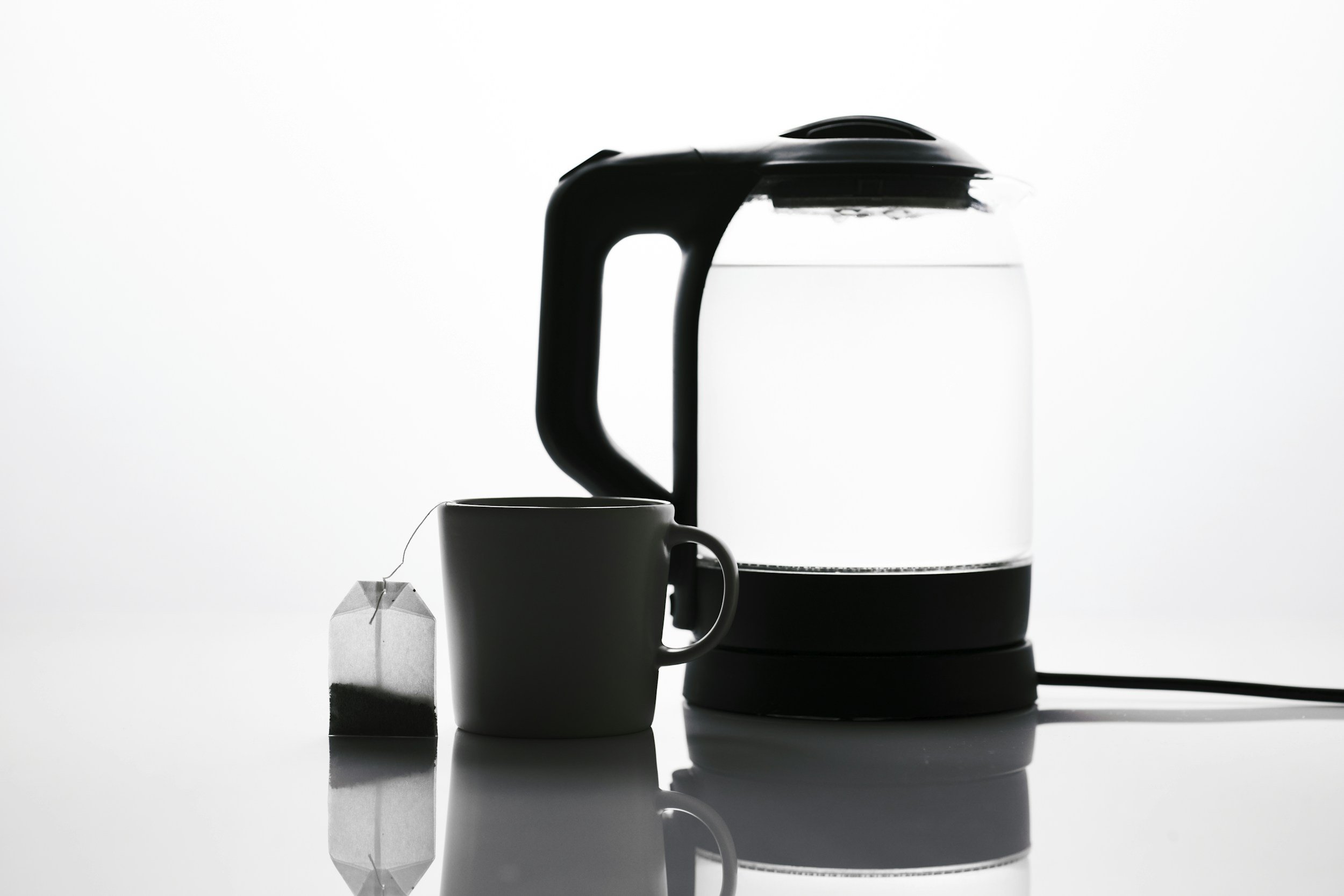
Kettles are even more prone to visible limescale buildup.
🍋 Lemon Juice Method (Gentle & Natural)
Fill the kettle with water
Add fresh lemon juice (or a few slices of lemon)
Bring to a boil and let sit for 20–30 minutes
Rinse thoroughly
This works well for light to moderate buildup and keeps things fresh-smelling.
🧴 Vinegar Solution (For Heavier Buildup)
Mix 1 part vinegar with 1 part water
Fill the kettle and bring to a boil
Let it sit for 20–30 minutes
Empty and rinse thoroughly (boil fresh water once or twice to remove any lingering taste)
🧼 Descaling Tablets (Alternative Option)
Easy to use
Designed specifically for appliances
Often odor-neutral
🔍 How to Know When It’s Time
Look for:
White, chalky buildup inside the kettle
Slower boiling times
Unusual taste in water, tea, or coffee
Coffee machine running more slowly or unevenly
Even if you don’t see buildup, regular descaling is still important in hard water areas.
💡 Why This Matters
Clean appliances don’t just look better—they perform better.
Descaling:
Improves taste
Maintains efficiency
Prevents unnecessary wear
Extends the life of your appliances
And ultimately, it keeps those daily coffee and tea moments exactly as they should be: simple, enjoyable, and consistent.