
Oven & Stovetop Care
Simple Habits to Protect Your Induction Cooktop and Oven
Your kitchen is one of the hardest-working areas of your apartment. Modern induction cooktops and built-in ovens are durable and efficient yet perform best when cleaned and cared for properly.
A few small habits make a big difference — not just for appearance, but for cooking performance, safety, and longevity.
🔥 Induction & Glass Cooktop Care

Most of our apartments are equipped with induction cooktops. These are highly efficient, fast-heating, and sleek — but they do require thoughtful cleaning to avoid scratches and surface damage.
✅ Clean After Every Use
Don’t cook on top of old splatters.
When spills and grease are left in place, they bake onto the surface the next time you use the cooktop. This makes stains much harder to remove and can permanently mark the glass.
After each use (once the surface has cooled slightly but is still warm):
Wipe with a soft paper towel or microfiber cloth
Use warm water with a small amount of mild dish soap for everyday cleaning
For slightly tougher residue, use a diluted vinegar solution (1:1 vinegar and water)
For heavier buildup, use a ceramic/glass cooktop cleaner (preferably non-abrasive; bio/eco options are perfectly fine)
Avoid:
Steel wool
Abrasive scouring pads or sponges
Powder cleaners
Anything gritty that can scratch the glass
A quick, gentle wipe each time prevents buildup and keeps the surface looking polished and performing efficiently.
✅ Removing Burned-On Residue (The Right Way)
For baked-on spots:
Use a ceramic cooktop razor scraper (held at a low angle)
Gently lift the residue — don’t dig into the surface
Follow with a proper glass cooktop cleaner

Special Scraper
These small razor tools are specifically designed for glass surfaces and are far safer than steel wool or abrasive pads.
If your apartment does not have one, they can be found at many large grocery stores.
🌬 Hoods & Filters
Kitchen ventilation is just as important as the stovetop itself.
Grease and steam accumulate in hood filters over time. This can decrease airflow, cause lingering odors, and allow grease to buildup.
Best practice:
Wash metal hood filters regularly (warm water + degreasing soap)
Let them dry fully before using
If your apartment has a recirculating hood with charcoal filters, those may need replacement periodically.
🔥 Oven Care: Protecting Performance & Heat Distribution
An oven coated in grease and burned residue doesn’t just look unpleasant and smell — it cooks differently.
Built-up drippings and splatter:
Burn repeatedly
Create smoke and odor
Affect heat distribution
Compromise cooking quality
✅ Catch Drips Before They Bake
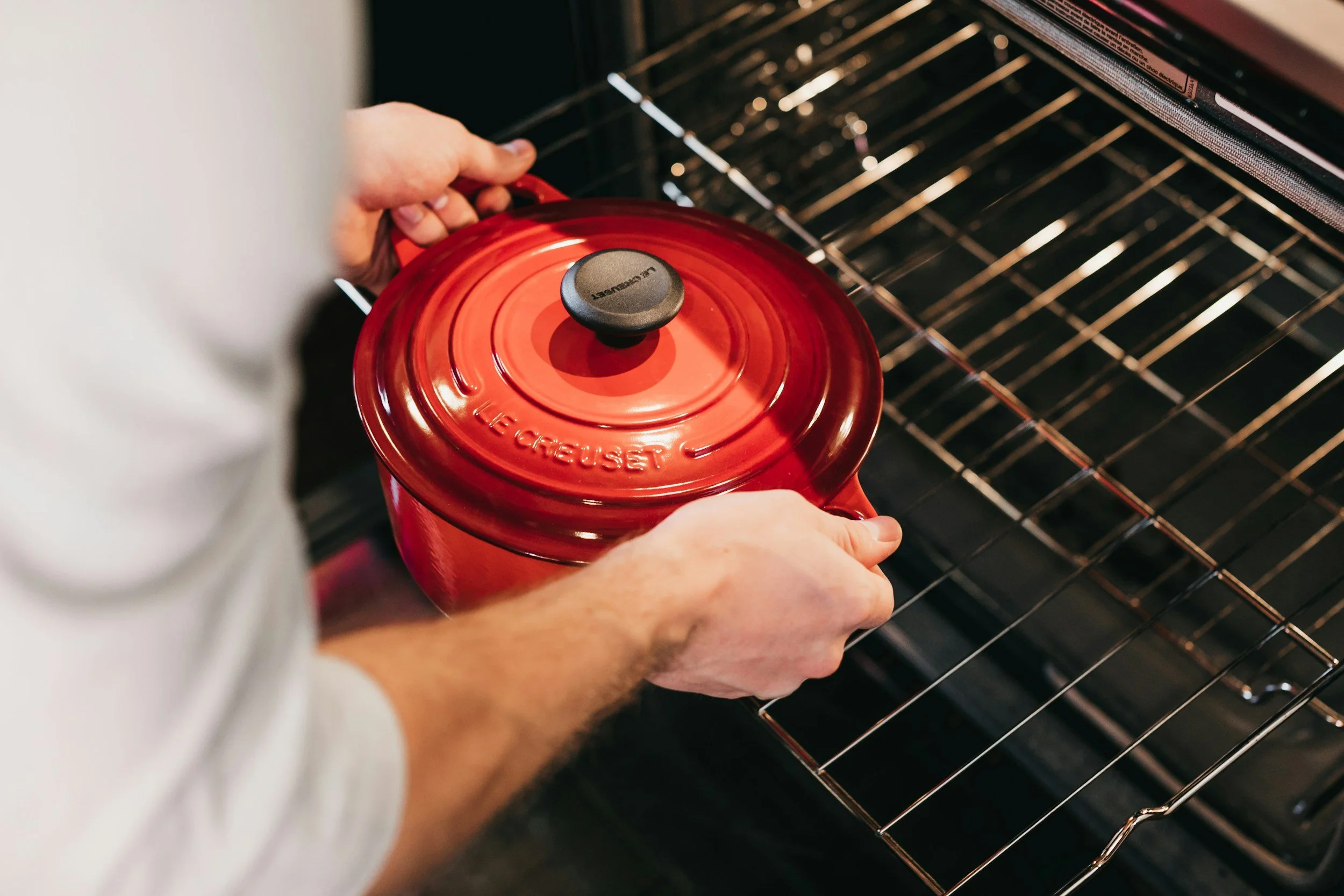
If you’re cooking something that may spill, place a baking tray on a lower rack to catch drips. Avoid lining the oven floor directly with foil unless the manufacturer allows it
⚠️ Important: Never block ventilation openings inside the oven. This interferes with airflow and heat distribution.
✅ Clean Before It Gets Severe
It’s far easier to wipe away light grease than to remove thick, carbonized buildup that has been baked repeatedly at high temperatures.
Ideally, after heavy cooking (especially roasting, baking dishes that bubble over, or anything with grease), allow the oven to cool slightly while still warm — then wipe interior surfaces with a soft cloth.
For regular maintenance cleaning:
Use warm water with mild dish soap and a soft sponge or cloth for light grease.
For moderate buildup, use a non-abrasive oven cleaner (gel or foam types work well). Look for products labeled safe for enamel interiors. Bio or eco-friendly oven cleaners are perfectly acceptable as long as they are non-gritty and non-abrasive.
For natural cleaning, a paste of baking soda and water can be applied to greasy areas, left to sit, and then wiped away.
Avoid:
Powdered abrasive cleaners
Harsh metal scouring pads
Excessively caustic industrial cleaners not intended for household ovens
For Stubborn, Baked-On Spots
If residue has already hardened:
Apply a proper oven cleaner and allow it to sit as directed.
Use a non-scratch scrubbing sponge first.
Fine steel wool may be used very carefully and only where appropriate, but avoid aggressively scrubbing enamel-coated surfaces, as scratching the enamel can permanently damage the interior and make future buildup worse.
Always wipe away chemical residue thoroughly after cleaning, and allow the oven to dry before using it again.
✅ Self-Cleaning Function (If Equipped)
If your oven has a self-cleaning feature:
Remove racks first (unless manufacturer allows otherwise)
Wipe out loose debris before running the cycle
Ensure proper ventilation during the process
Self-clean cycles reach very high temperatures and burn off residue, but they work best when the oven isn’t heavily caked with buildup.
💡 Why This Matters
Proper oven and stovetop care:
Maintains cooking performance
Prevents uneven heating
Reduces smoke and odors
Extends appliance lifespan
Keeps your kitchen looking clean and polished
Most importantly, it prevents small issues from becoming major ones.
🤝 A Shared Responsibility
Our goal is to provide apartments with high-quality appliances that perform beautifully. With a little consistent care, your kitchen will continue to function exactly as it should.
If you notice damage, malfunction, or something unusual, please let us know.
Thank you for helping us keep our homes in excellent condition.