
As temperatures drop and days grow shorter, keeping our apartments warm, comfortable, and energy-efficient becomes increasingly important.
A few thoughtful habits can make a significant difference in how comfortable your home feels throughout winter, how efficiently your heating system operates, and how well your apartment handles the colder weather.
Whether your home has traditional radiators, underfloor heating, or a centrally managed heating system, there are several simple things you can do to stay warm, avoid unnecessary energy consumption, and prevent common winter maintenance issues.
🌡️ Heat Your Home Efficiently
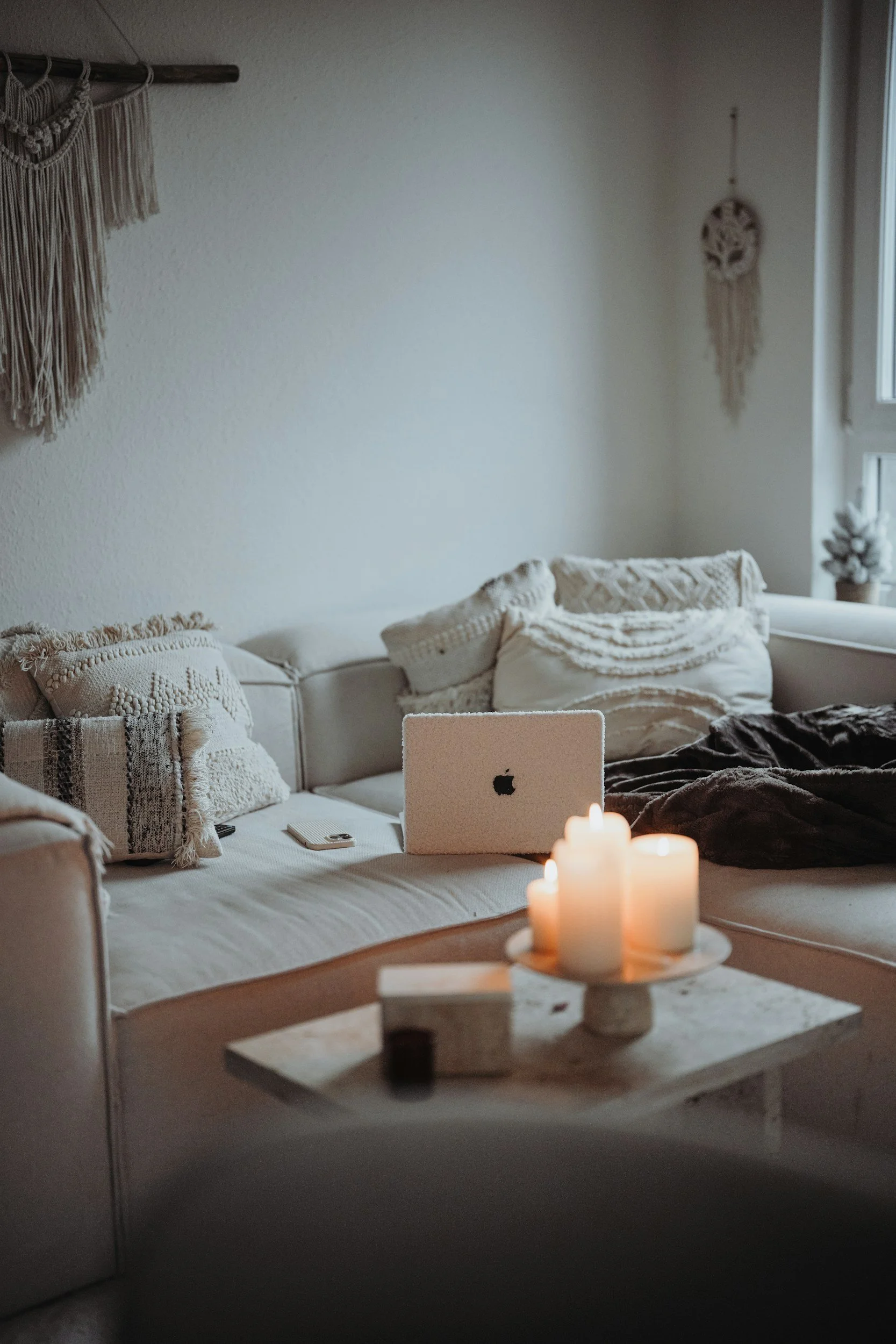
Turning the thermostat up to its maximum setting doesn't necessarily heat your apartment faster or better.
Many modern heating systems, particularly underfloor heating, are designed to work gradually and maintain a consistent temperature.
A few good habits can make a big difference:
Aim for a comfortable indoor temperature of approximately 20–21°C in regularly occupied living areas.
Reduce temperatures slightly in bedrooms, hallways, and rooms you use less.
Avoid constantly turning thermostats up and down throughout the day.
Keep doors closed between rooms with significantly different temperatures.
Lower heating settings when you're away for extended periods, while maintaining sufficient warmth to prevent excessive cooling and moisture problems.
For apartments with underfloor heating, patience is particularly important. These systems can take several hours to respond to temperature adjustments, and constantly changing settings may reduce efficiency.
If you have traditional radiators, use their thermostatic valves to adjust heating intensity according to how each room is used. If the temperature is controlled from a central thermostat, radiator valves can help regulate the temperature in individual rooms. Lower settings generally correspond to lower target room temperatures, allowing you to keep less frequently used spaces cooler.
Remember: A moderate, consistent temperature is generally more efficient than overheating a room and then opening windows to cool it down.
🔥 Make Sure Your Radiators Can Do Their Job
Traditional radiators need space around them to distribute heat effectively. To help yours work efficiently throughout winter:
Move furniture away from radiators where possible.
Avoid hanging heavy curtains directly over radiators.
Don't use radiators to dry large quantities of clothing. When drying laundry indoors, choose a well-ventilated area, avoid placing wet clothing directly against radiators or cold walls, and monitor humidity until everything is dry.
Check that radiator valves turn smoothly without forcing them.
Look for any signs of dripping or moisture around radiator connections.
If a radiator is warm at the bottom but cold at the top, or makes persistent gurgling noises, trapped air may be preventing hot water from circulating properly.
This is sometimes resolved by a process called bleeding the radiator, which releases trapped air from the system.
However, not all radiators or heating systems should be bled by residents. Some centrally managed systems require professional attention, and incorrectly opening a valve can cause leaks or affect system pressure.
If you're unfamiliar with your heating system or notice persistent cold spots, have the issue checked rather than attempting adjustments you're unsure about.
🪟 Check Windows, Doors & Drafts
Even an efficient heating system will struggle to keep an apartment comfortable if warm air is constantly escaping.
Windows and doors are common sources of unwanted drafts, especially in older buildings.
Before winter arrives:
Check that windows close fully and lock securely.
Inspect rubber seals for visible cracks, gaps, or deterioration.
Clean dirt and debris from window frames and seals.
Check balcony and terrace doors for drafts.
Make sure curtains or blinds can close properly during cold evenings.
You can often identify drafts simply by slowly moving your hand around the edges of a closed window on a windy day.
If you notice persistent drafts, damaged seals, or windows that don't close correctly, arrange for them to be inspected.
Avoid applying permanent adhesive strips, silicone, or other sealing materials without checking that they're suitable for the window system. Modern windows are designed with specific drainage and ventilation features that shouldn't be blocked.
Heavy curtains can also provide an additional layer of comfort during cold evenings, particularly around large windows.
🛋️ A Few Simple Ways to Stay Warmer Without Turning Up the Heat
Sometimes improving comfort doesn't require increasing the thermostat.
Consider:
Using thicker bedding and winter duvets.
Adding rugs to cold floors where appropriate, while respecting any underfloor heating requirements.
Wearing slippers and warmer indoor clothing.
Closing curtains after sunset to reduce heat loss through windows.
Using natural sunlight during the day to help warm rooms.
These small changes can make a home feel noticeably more comfortable without increasing heating demand.
CAUTION: Portable electric space heaters should be used cautiously. They can consume substantial electricity, particularly when used alongside an existing heating system.
Never leave portable heaters operating unattended or position them near curtains, furniture, or other combustible materials.
🌬️ Fresh Air Is Still Essential in Winter
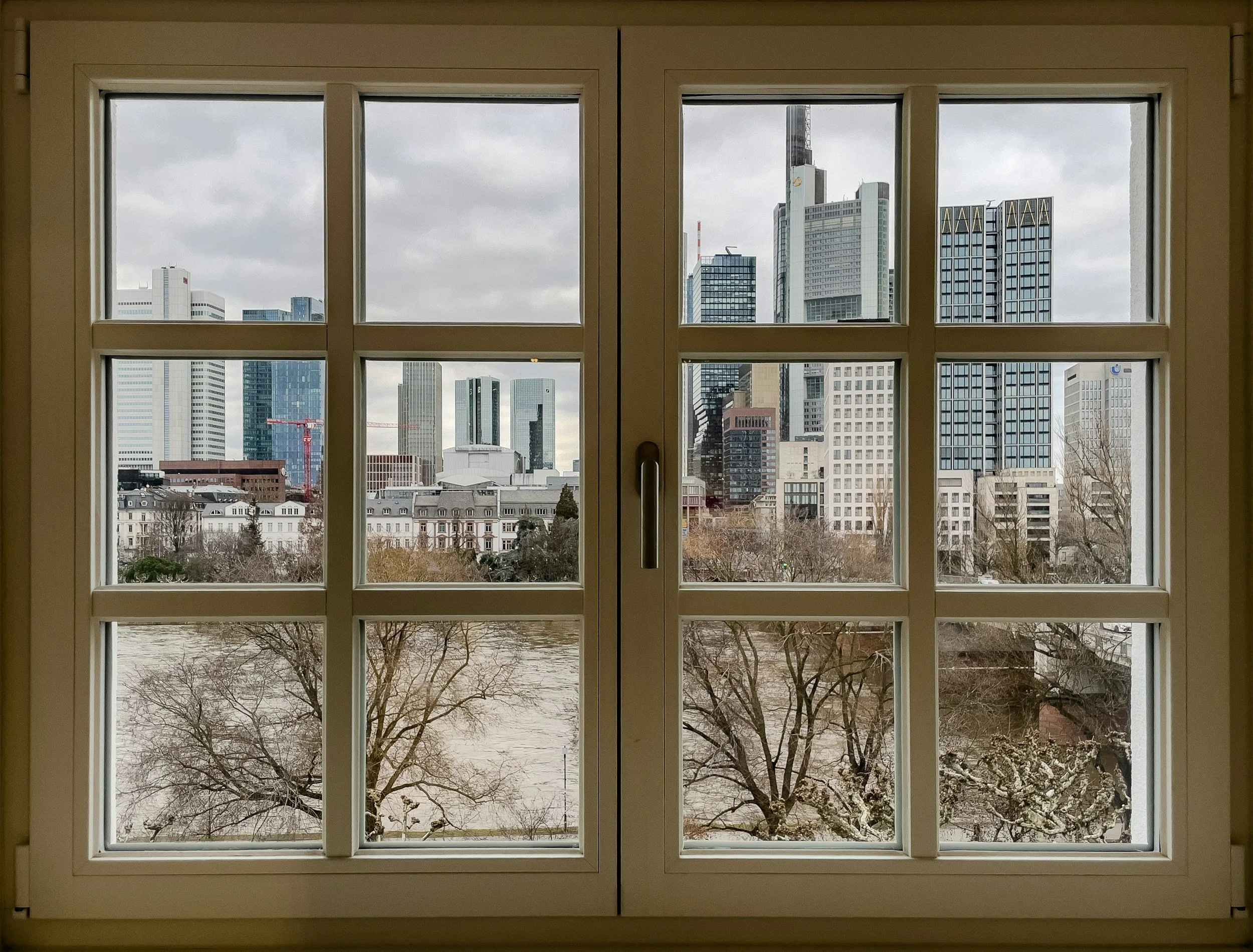
When it's cold outside, it's tempting to keep every window closed for days at a time.
Unfortunately, this can allow moisture and stale air to accumulate, particularly in well-insulated apartments with modern, tightly sealed windows.
Cooking, showering, breathing, and drying laundry all introduce moisture into the indoor environment.
Without adequate ventilation, that moisture can contribute to condensation and mold growth.
During winter:
Open windows fully for approximately 5–10 minutes, ideally daily. Adjust the duration based on outdoor temperatures and ventilate after activities that generate moisture, such as cooking or showering.
Create cross-ventilation where practical.
Briefly turn down nearby radiators while airing out the room. For slow-response systems such as underfloor heating, short ventilation periods generally don't require thermostat adjustments.
Close windows again rather than leaving them tilted open for hours.
Use bathroom and kitchen ventilation systems when generating moisture.
Apartments with continuous mechanical ventilation may require less manual airing, provided the system is operating correctly and ventilation openings remain unobstructed.
Aim for indoor relative humidity of approximately 40–60%, ideally toward the lower end of that range during very cold weather or in rooms prone to condensation. A small digital hygrometer is an inexpensive way to monitor humidity levels.
Fresh air is important throughout the year. The trick in winter is to exchange the air efficiently without unnecessarily cooling the walls, floors, and furniture.
💧 Watch for Early Signs of Condensation
As outdoor temperatures fall, windows and exterior walls become colder.
When warm, humid indoor air meets these surfaces, condensation can develop.
Pay particular attention to:
Window glass and frames
Corners of exterior walls
Areas behind wardrobes, sofas, and beds
Bathrooms and shower enclosures
Rooms with limited airflow
Avoid pushing large furniture tightly against cold exterior walls. Leaving some space behind furniture allows air to circulate and reduces the risk of trapped moisture.
If you notice condensation, wipe it away and consider whether additional ventilation or better humidity control is needed.
Persistent moisture, recurring mold, or damp patches should be investigated early rather than simply painted over or ignored.
❄️ A Little Preparation Makes Winter More Comfortable
Winter preparation doesn't need to be complicated or time-consuming.
A few thoughtful steps can help you:
Maintain a warmer, more comfortable apartment.
Reduce unnecessary heating costs.
Prevent drafts and moisture-related issues.
Achieve healthy indoor humidity and prevent condensation.
Identify small maintenance concerns before they become larger problems.
A little attention to heating, ventilation, and everyday habits can help keep your home comfortable, efficient, and well cared for throughout winter.